
How Salt Lake City’s Elevation and Dry Climate Affect Hardwood Flooring Longevity
Salt Lake City’s unique environment poses some interesting challenges for homeowners, especially when it comes to hardwood flooring. The city’s high elevation combined with a dry climate creates conditions that can significantly impact the durability and appearance of wood floors over time. Understanding these factors is key to maintaining beautiful, long-lasting hardwood surfaces in your home.
Understanding Salt Lake City’s Elevation and Dry Climate
Salt Lake City sits at around 4,300 feet above sea level, which classifies it as a high-altitude location. This elevation means the air pressure is lower, and the atmosphere is thinner compared to sea level. These conditions influence everything from weather patterns to indoor air quality. The unique geography of the area, surrounded by the Wasatch Mountains, not only contributes to its stunning vistas but also plays a crucial role in the local climate by creating a rain shadow effect, where the mountains block moisture from the Pacific Ocean, leading to drier conditions in the valley.
The climate here is characterized by low humidity levels, especially in winter, and a wide range of temperatures throughout the year. Winters can be cold and dry, while summers bring hot, arid conditions. These extremes create a challenging environment for materials like hardwood, which naturally respond to moisture and temperature changes. Additionally, the city experiences significant temperature swings between day and night, particularly in the spring and fall, which can further complicate the effects of humidity and dryness on various building materials.
High Altitude, Cold Winters, and Hot Summers
At higher altitudes, the sun’s rays are more intense, and the air holds less moisture. Salt Lake City experiences cold winters with temperatures often dipping below freezing, followed by hot summers that can exceed 90°F. This combination means hardwood floors are subjected to constant cycles of drying and slight moisture gain, which can cause stress on the wood fibers. The ultraviolet (UV) radiation at this elevation is also stronger, which can lead to fading of colors and finishes in both wood and textiles, making it essential for homeowners to consider protective measures such as UV-filtering window treatments.
Homes in this region often rely heavily on heating systems during winter, further drying out the indoor air. In summer, air conditioning or natural ventilation can lower humidity but also introduce temperature fluctuations. These conditions accelerate the natural expansion and contraction process of hardwood, which is something every homeowner should be aware of.
To mitigate these effects, many residents invest in humidifiers during the dry winter months to maintain a balanced indoor environment. Additionally, choosing engineered hardwood or acclimating solid hardwood before installation can help reduce the risk of warping or gapping, ensuring that floors remain beautiful and functional despite the challenging climate.

How Low Humidity Affects Hardwood Flooring
Wood is a living material that absorbs and releases moisture depending on the surrounding environment. When humidity drops, wood loses moisture and shrinks. Salt Lake City’s dry air, particularly in the colder months, causes hardwood floors to contract, sometimes leading to noticeable gaps between planks.
These seasonal changes can be alarming if unexpected, but they’re a natural response to the environment. The key is managing these fluctuations to minimize damage and maintain the floor’s integrity. Regularly monitoring humidity levels with a hygrometer can provide valuable insights into the conditions affecting your hardwood floors, allowing for timely interventions.
Seasonal Gaps and Movement in Wood Floors
During winter, it’s common to see small gaps appear between hardwood planks. These gaps form because the wood shrinks as it loses moisture in the dry indoor air. While they might look like defects, they’re actually a sign that the wood is adjusting to the environment. It’s important to remember that this movement is part of the wood’s natural behavior, and most gaps will close up as the humidity levels rise again.
As humidity rises in spring and summer, the wood absorbs moisture and expands, often closing these gaps. However, repeated cycles of shrinking and swelling can weaken the joints between planks over time, making it essential to monitor and care for your floors properly. Implementing a humidification system during the winter months can help maintain a stable environment, reducing the stress on your hardwood floors and prolonging their lifespan.
Wood Floors Splitting in Winter
In some cases, the dryness can cause hardwood to crack or split. This happens when the wood’s moisture content drops too low, making it brittle. Splits often appear along the grain and can range from tiny surface checks to more noticeable cracks. These splits not only affect the aesthetics of your flooring but can also compromise its structural integrity, leading to further issues down the line.
Preventing this requires maintaining a consistent indoor humidity level. Without intervention, these splits can worsen, leading to costly repairs or the need for replacement boards. Investing in a quality humidifier can be a proactive measure, ensuring that your home maintains a comfortable humidity level year-round. Additionally, regular maintenance, such as refinishing and applying protective coatings, can help shield your hardwood from the harsh effects of low humidity, preserving its beauty and functionality for years to come.

Temperature Swings and Their Impact on Floor Longevity
Salt Lake City’s weather swings don’t just affect moisture levels; the temperature changes themselves can put stress on hardwood floors. Wood expands when warm and contracts when cold, so frequent shifts can cause movement that affects the floor’s stability.
These movements don’t just happen on the surface. The subfloor beneath the hardwood can also be impacted, potentially leading to unevenness or squeaking floors.
Expansion, Contraction, and Subfloor issues
When hardwood expands during warmer months, it pushes against walls or other fixed structures. Without proper expansion gaps, this pressure can cause buckling or warping. Conversely, contraction in colder months can create gaps and loosen boards.
The subfloor can suffer too. If it’s made of materials like plywood or OSB, repeated moisture and temperature changes can cause it to swell or shrink, leading to an uneven surface. This unevenness stresses the hardwood above, contributing to long-term damage.
UV Exposure in High Elevation Homes
Another factor unique to high elevation living is increased ultraviolet (UV) radiation. At 4,300 feet, Salt Lake City receives more intense UV rays than lower elevations, which affects not only skin but also interior materials like hardwood flooring.
UV exposure can degrade the finish and color of wood floors over time, making them look aged and worn if not properly protected.
Fading, Discoloration, and Surface Wear
Sunlight streaming through windows can cause hardwood floors to fade or change color unevenly. Areas exposed to direct sunlight may bleach out or develop a yellowish tint, while shaded areas retain their original hue. This uneven discoloration can be frustrating for homeowners aiming for a uniform look.
UV rays also break down the protective finish on hardwood, making the surface more susceptible to scratches, stains, and wear. Regular maintenance and UV-resistant finishes can help mitigate these effects, preserving the floor’s appearance for longer.
Common Hardwood Problems in Salt Lake City Homes
Given the environmental challenges, certain hardwood flooring problems are more prevalent in Salt Lake City homes. Recognizing these issues early can help homeowners take action before they worsen.
Cupping, Crowning, and Surface Checks
Cupping occurs when the edges of a hardwood plank rise higher than the center, often due to moisture imbalances between the top and bottom of the board. In Salt Lake City, this can happen when dry indoor air causes the bottom of the plank to shrink faster than the top.
Crowning is the opposite, where the center of the plank rises above the edges, usually after the floor has absorbed moisture and then dried unevenly. Both conditions create uneven surfaces that can be uncomfortable to walk on and potentially hazardous.
Surface checks are small cracks on the wood’s surface caused by rapid drying or temperature changes. While often cosmetic, they can allow dirt and moisture to penetrate, leading to further damage.
Choosing Hardwood and Finishes for Utah’s Climate
Not all hardwood species respond the same way to Salt Lake City’s climate. Selecting the right wood and finish can make a significant difference in how well your floors hold up over time.
Stable Species and Protective Finishes
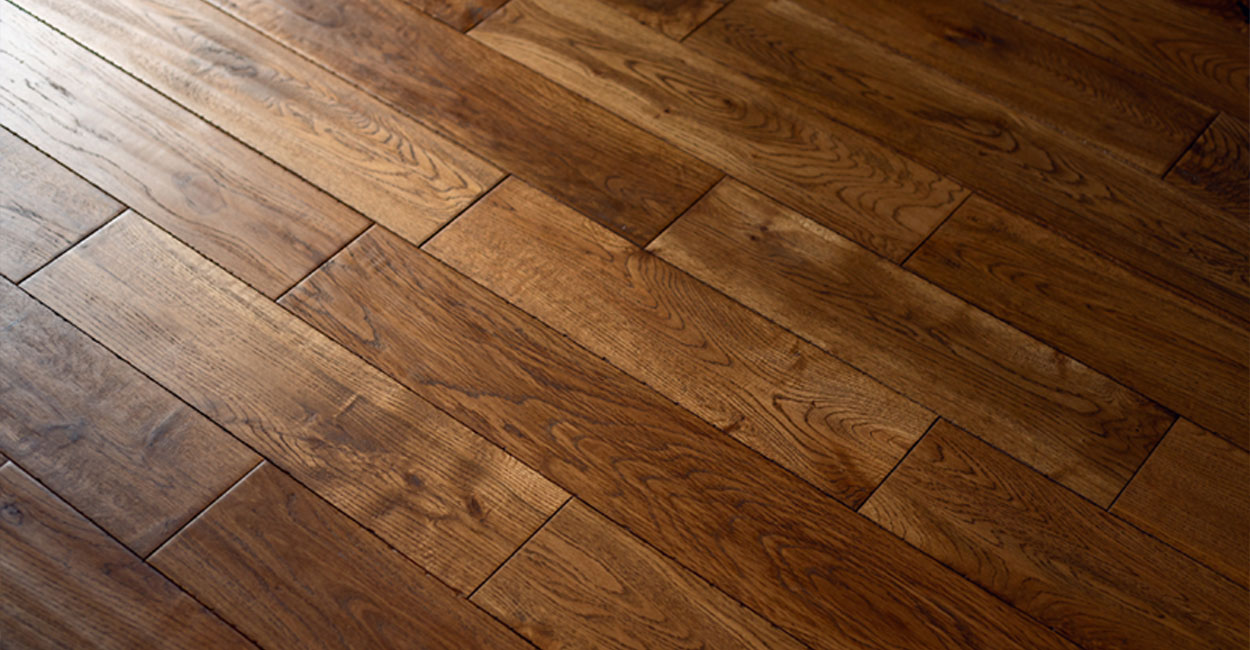
Hardwoods like hickory, white oak, and hard maple are known for their dimensional stability, meaning they resist expanding and contracting more than softer woods. These species are better suited for environments with fluctuating humidity and temperature.
In addition to species choice, using a high-quality, durable finish is crucial. Polyurethane finishes with UV inhibitors provide a strong protective layer against sunlight and wear. Oil-based finishes penetrate the wood and can offer some moisture resistance but may require more frequent maintenance.
Engineered hardwood is another option worth considering. Its layered construction provides greater stability in changing climates, reducing the risk of warping and gaps.
Humidity Control Strategies for Longer Lasting Floors
Maintaining consistent indoor humidity is the most effective way to protect hardwood floors in Salt Lake City and Utah County. Several strategies can help homeowners achieve this balance.
Humidifiers, HVAC Settings, and Daily Habits
Using humidifiers during the dry winter months adds moisture to the air, preventing wood from drying out excessively. Whole-home humidifiers integrated with your HVAC system offer consistent control, but portable units can work well in smaller spaces or specific rooms.
Adjusting your HVAC settings to maintain a steady temperature and humidity level also helps. Avoid drastic temperature changes by setting thermostats to gradual shifts rather than sudden jumps.
Simple daily habits like closing blinds during peak sunlight hours, using area rugs in high-traffic zones, and promptly cleaning spills can extend the life of your hardwood floors. Regularly monitoring humidity with a hygrometer ensures you stay on top of conditions that affect your wood.
Next Steps for Maintaining Beautiful Hardwood Floors in Utah
Salt Lake City’s elevation, dry air, and dramatic temperature swings create unique challenges for hardwood floors, but with the right strategies, homeowners can maintain beautiful, long-lasting surfaces. Understanding how low humidity, UV exposure, and seasonal movement affect wood helps prevent long-term issues.
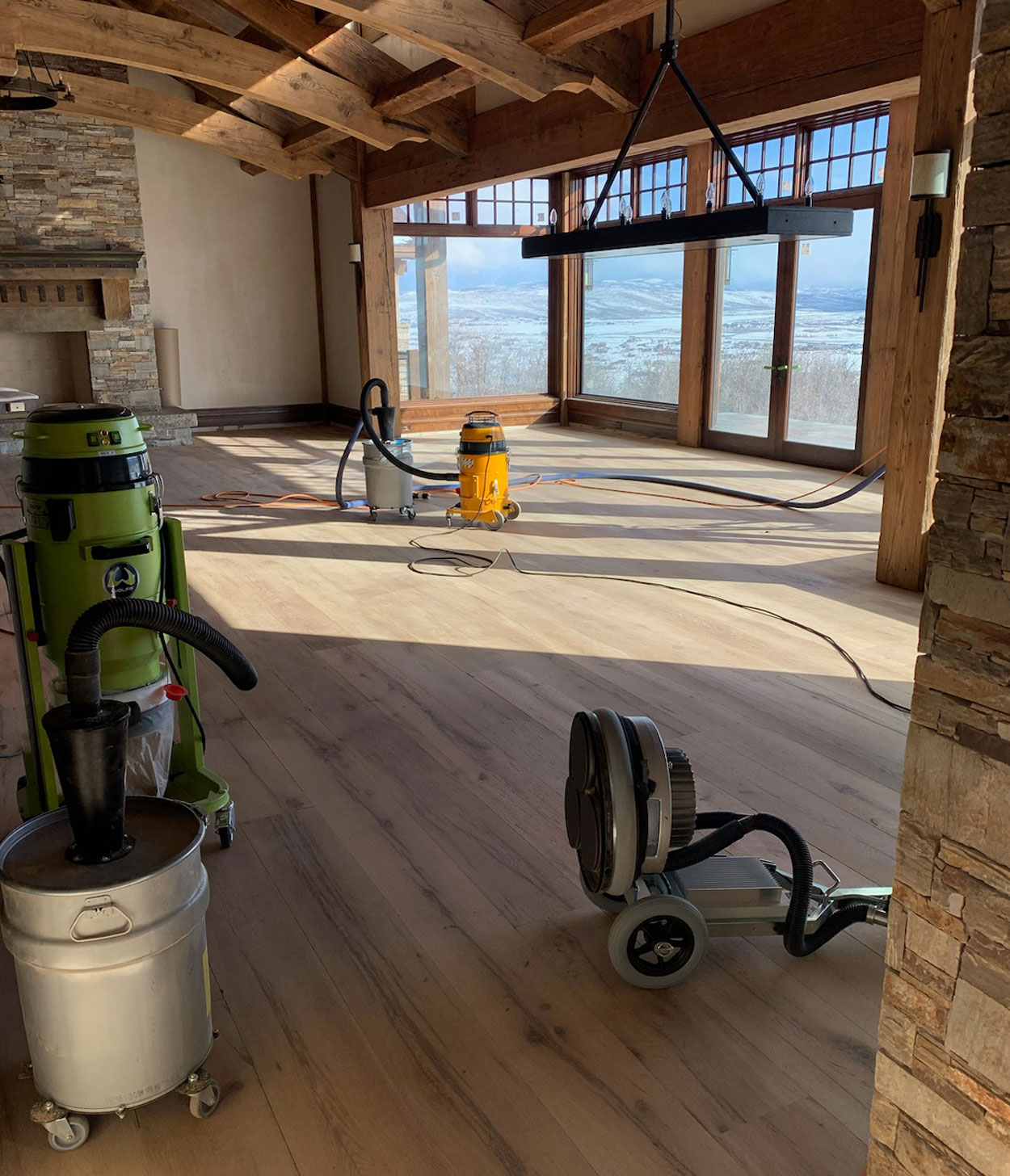
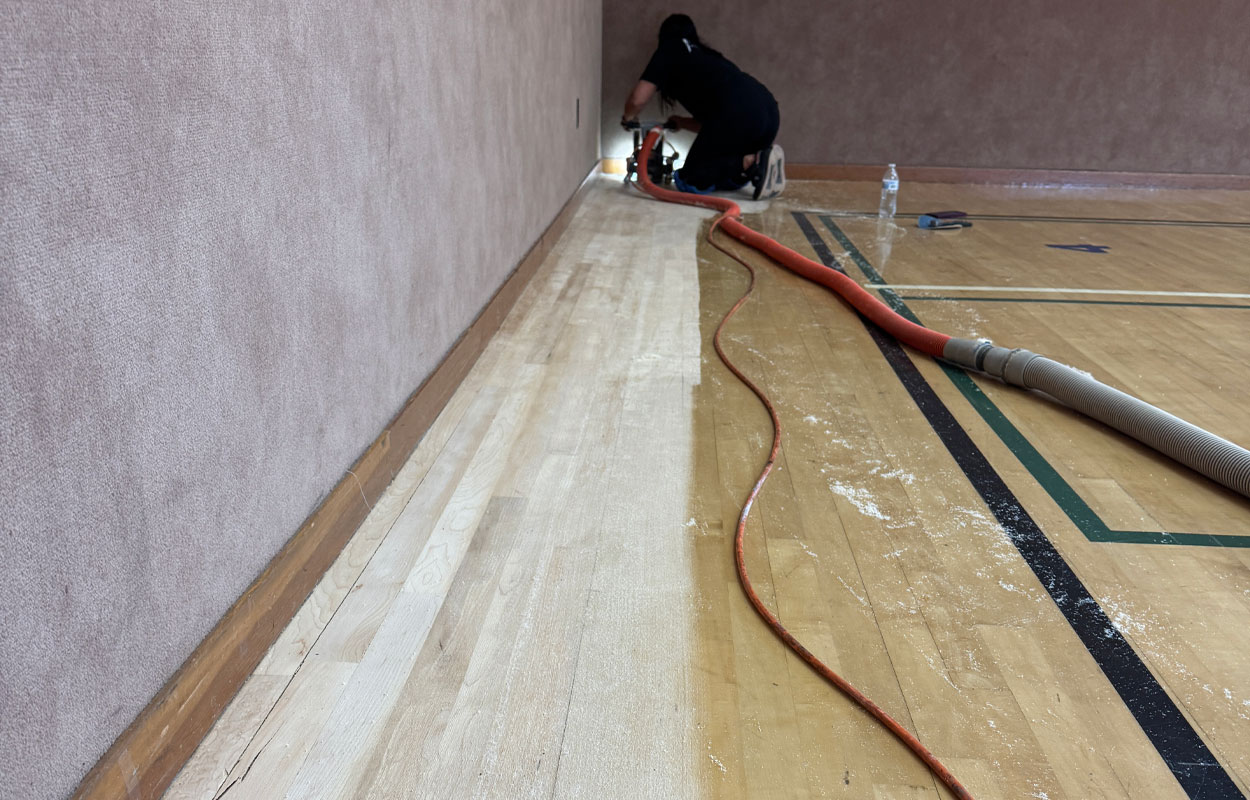
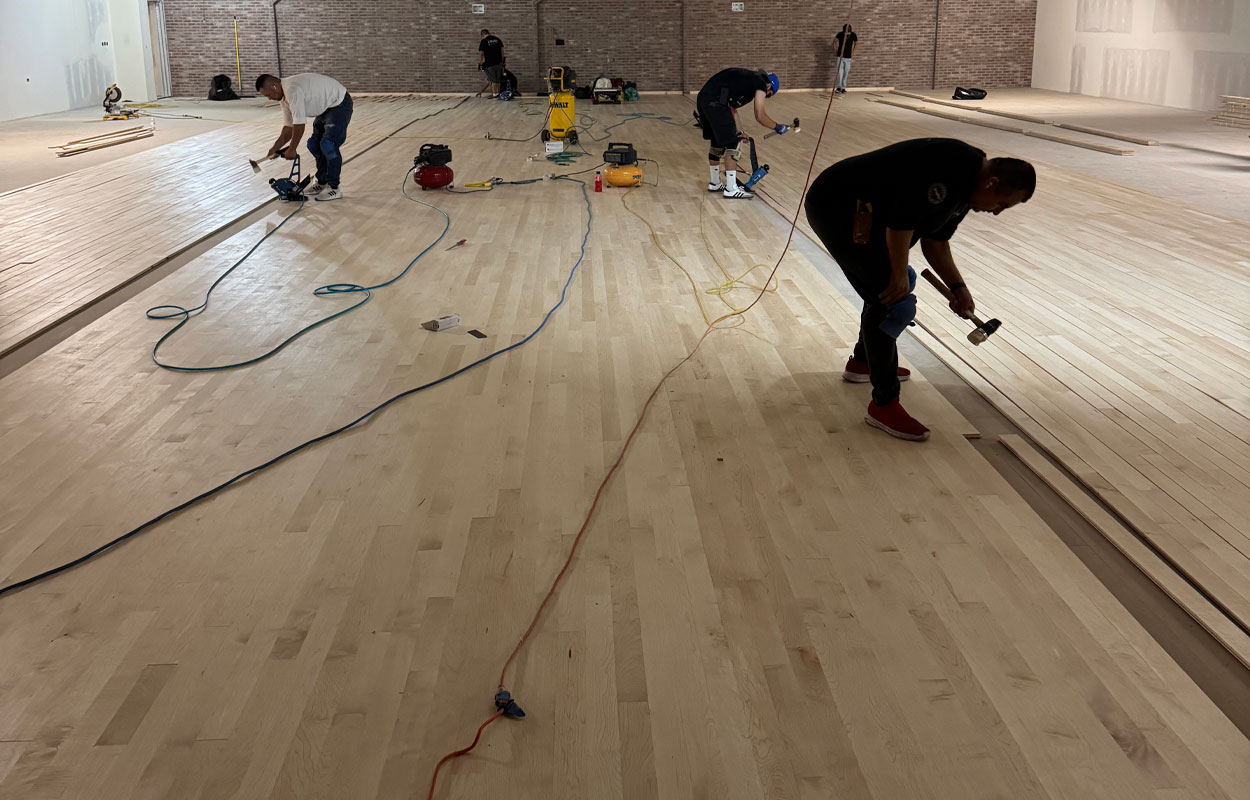
At Woody’s Hardwood Flooring, we tailor every service to Utah’s environment, offering custom hardwood installations, refinishing, dust-free sanding, repairs, and seamless hardwood additions designed to withstand the region’s conditions.
Contact Woody’s Today for a Professional Consultation
When your floors show winter gaps, surface wear, sun fading, or climate-related stress, our team brings decades of experience to every project. We help homeowners choose stable species like white oak or hickory, apply UV-resistant finishes, correct cupping or splitting, and restore worn surfaces with precision.
If you’re ready to protect, repair, or elevate your hardwood flooring, contact Woody’s Hardwood Flooring today for a free estimate and expert guidance built specifically for Utah homes.


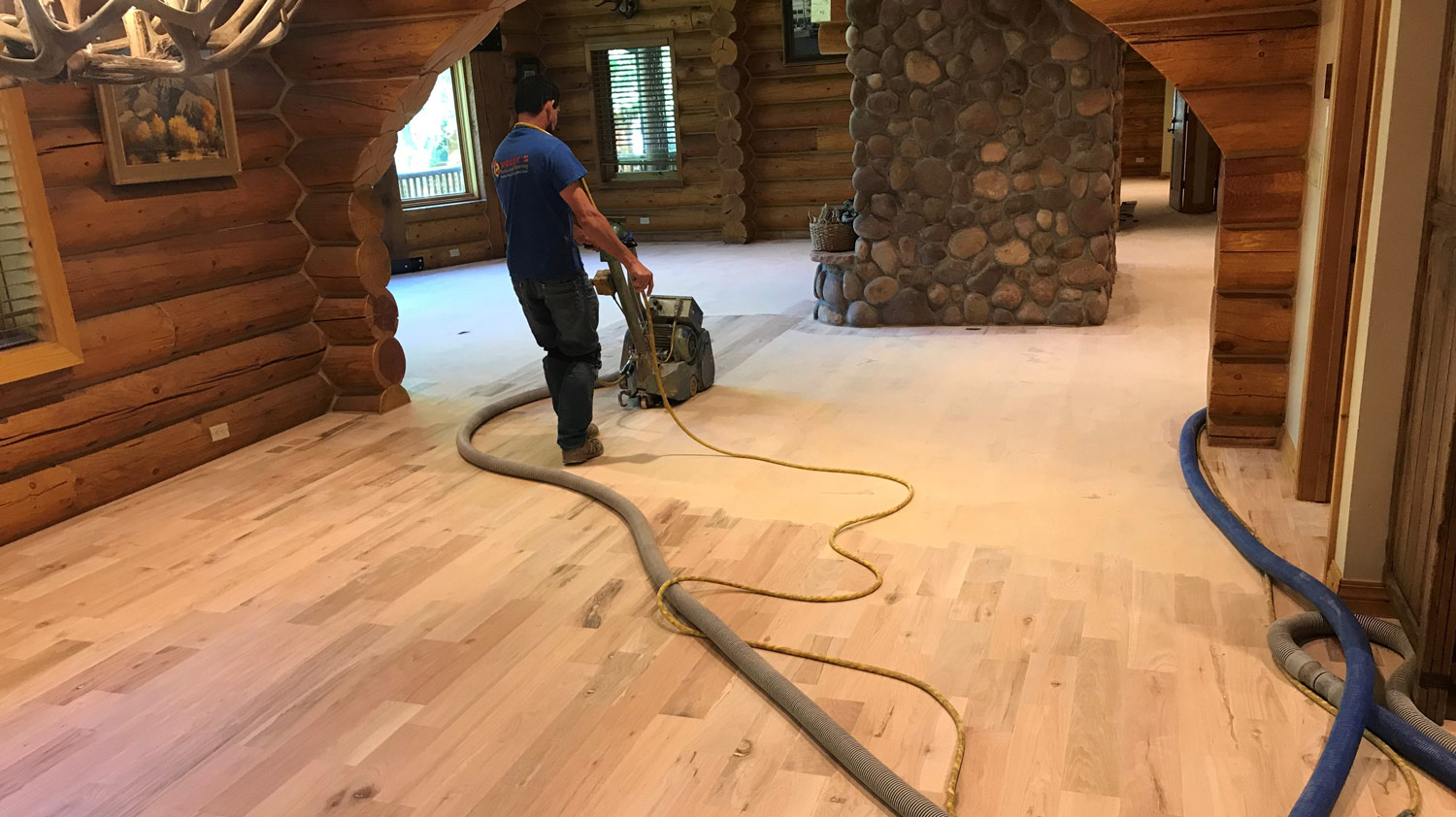




 Discover the essential steps and expert tips for restoring antique hardwood floors to their former glory.